Three ways money comes in
An e-commerce business lives on ads and a shop. A B2B company lives on leads, salespeople and quotes. A craft business or a project firm writes an individual offer for every single job, usually in the ERP, with product lines or hourly lines.
I would not force all three into one sales process. It would fit none of them. But all three end in the same place: a promise. And all three can check afterwards whether the promise was kept.
Your old offers already know something
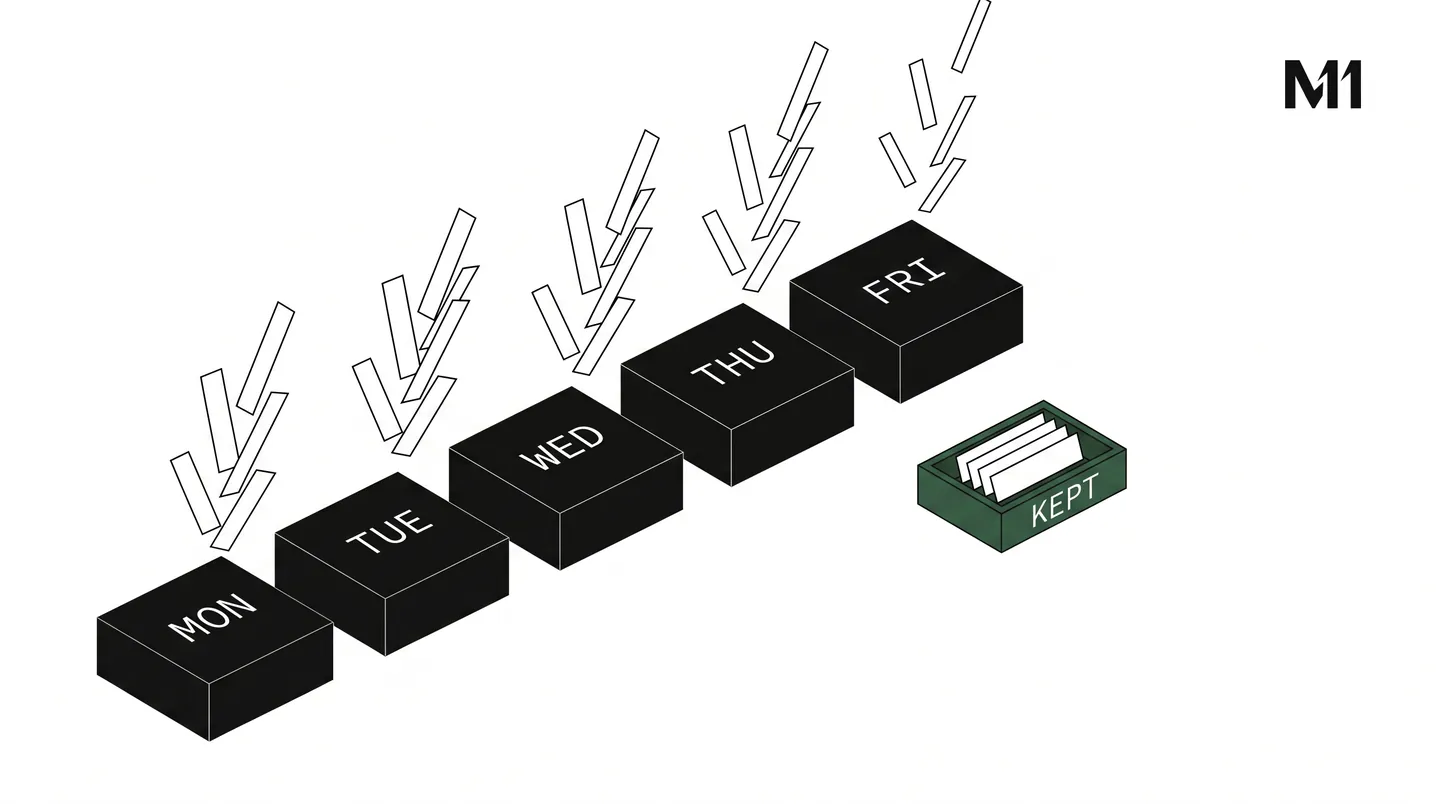
Before changing anything, look back. Most companies have two years of incoming requests and the offers that answered them sitting in email and the ERP.
Put them side by side and patterns appear. The same kind of request, answered with a similar offer, at a similar price, adjusted mainly by hours or quantities. And the more interesting question: which offers turned into orders, and what did those have in common? That is know-how that currently lives only in the head of whoever writes the quotes.
Write down what is not included
In IT projects there is a habit I have kept for my whole career: every offer has a section called out of scope. What is included. What is explicitly not included. Which assumptions apply. And where a change request begins.
It feels like extra work. It prevents the most expensive conversation in the whole project, the one where the customer believes something was part of the deal and refuses to pay for it.
Where the ten percent goes wrong
In almost every difficult customer situation I have been part of, the gap was not the product. It was the distance between what sales said, what the project delivered and what the customer thought they were getting.
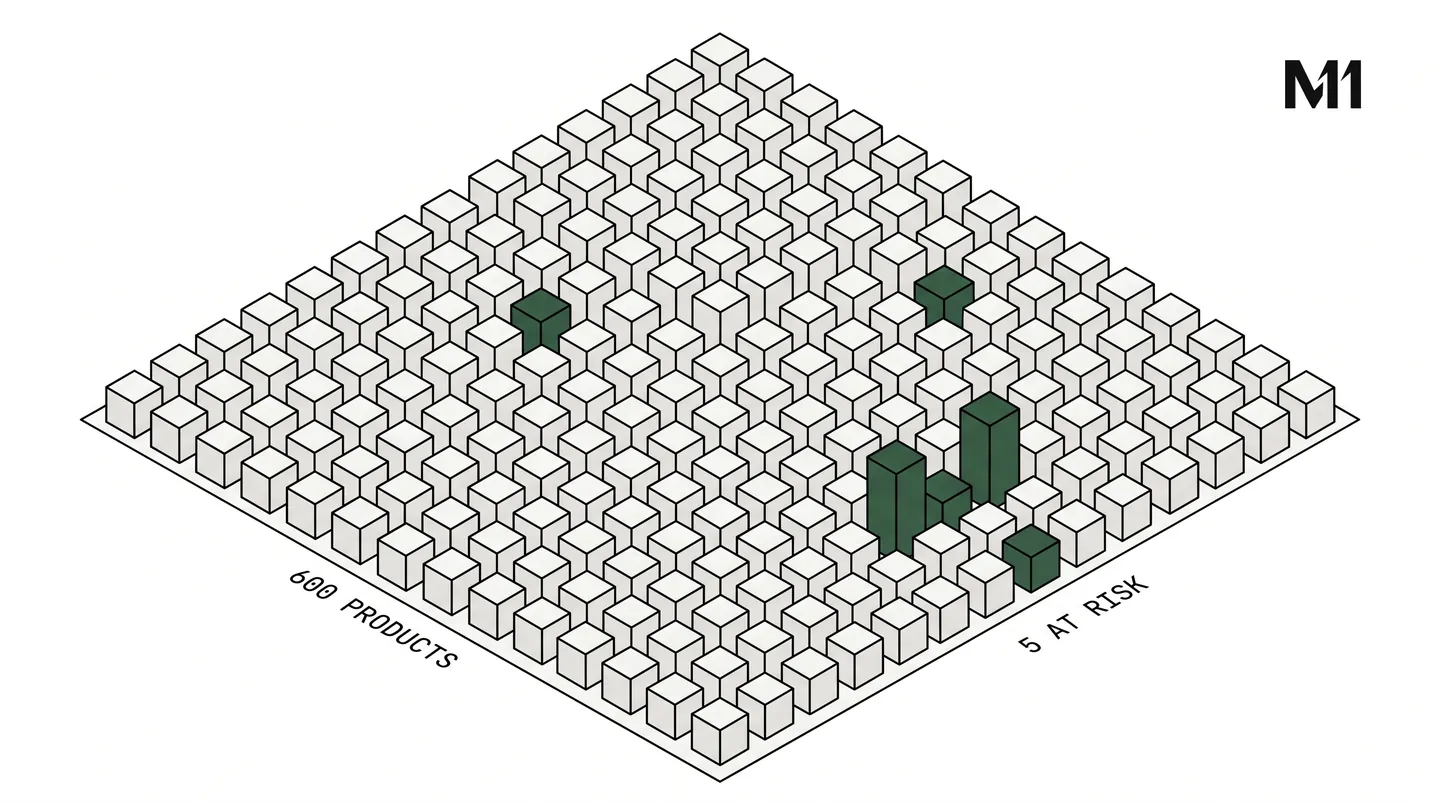
The customer expected the full package and got ninety percent. The missing ten percent is what creates the stress. It turns into a discussion about why the invoice should not be paid, a request for a discount, or a return. By the time it reaches that point, it is expensive for everyone.
Ask before the review does
Most companies only find out what a customer really thought when a bad rating appears on Google or Trustpilot. By then the customer has already left, and so has everyone they told.
The alternative is to ask first. After delivery, a short survey goes out. The main question is the gap itself: did you get what you expected when you signed? Then a few specifics about quality, response times and how the work was carried out, and how the customer found the company in the first place.
A small thank you
People answer surveys when it feels worth their time. For a small product purchase, a voucher for the next order works. For a project client, an anonymous form is often enough, or a well-made gift like a good calendar for the new year.
The point is not the gift. It is that the answers keep coming, because a handful of answers tells you nothing and a steady stream tells you a lot.
Where the promise broke
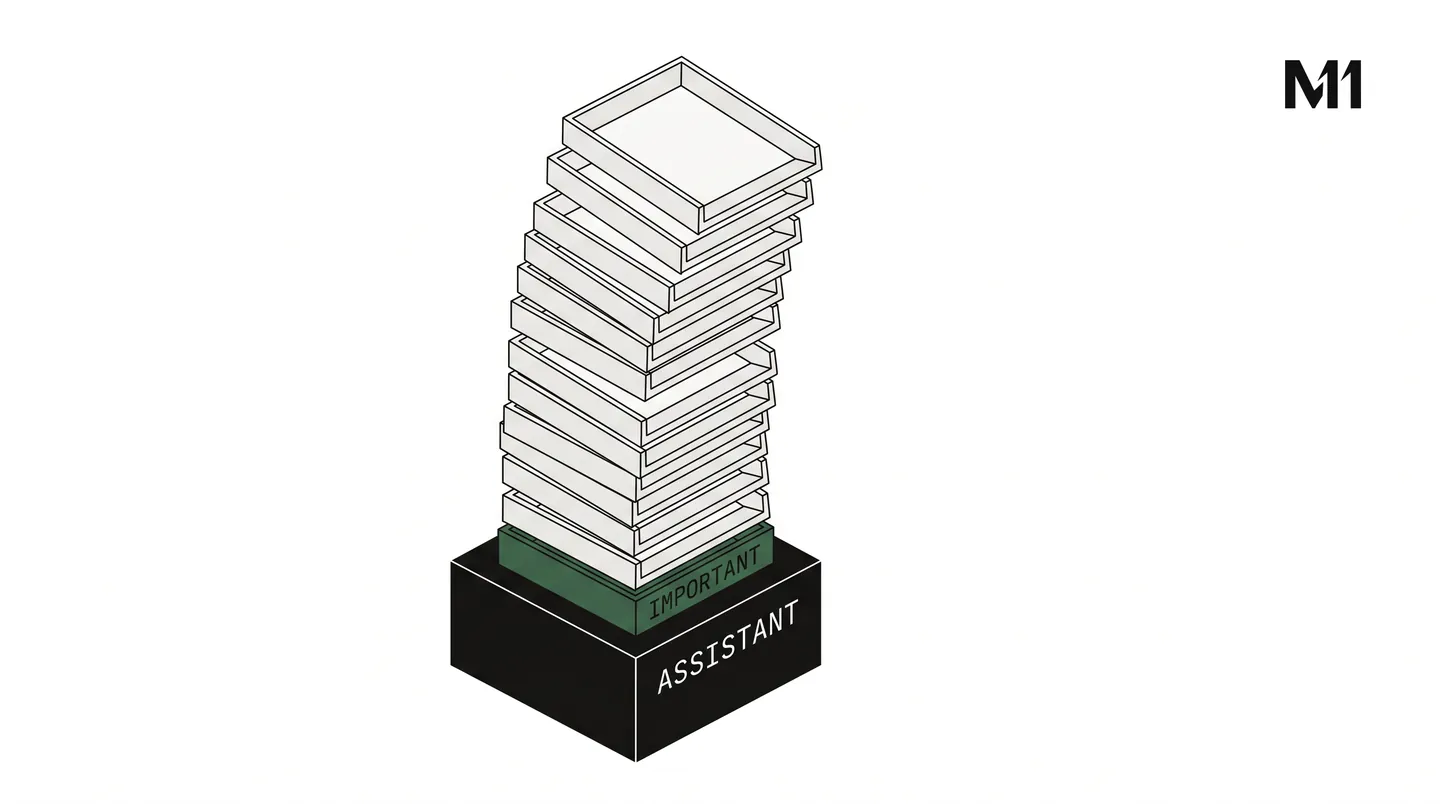
The answers go into one place, a simple table is enough, and they are read as a whole, not one by one. Read enough of them together and they fall into a few buckets. Sales promised too much. Delivery took too long. The product or the work itself fell short. Or nobody told the customer what was happening.
Each bucket points to a different place to fix: the offer, the service process, the product or quality process, or communication. It does not train an AI model. It creates patterns that a person can act on.
The next offer gets better
This is where the two halves meet. What customers say was missing becomes a line in the out-of-scope section of the next offer, or a line that moves into scope because everyone expects it anyway.
Over time, the offers get clearer about what is in and what is out, fewer projects end in an argument, and the company learns which promises it can actually keep. That is a learning loop between sales and delivery that most companies never close.