Stacking work on the busiest person
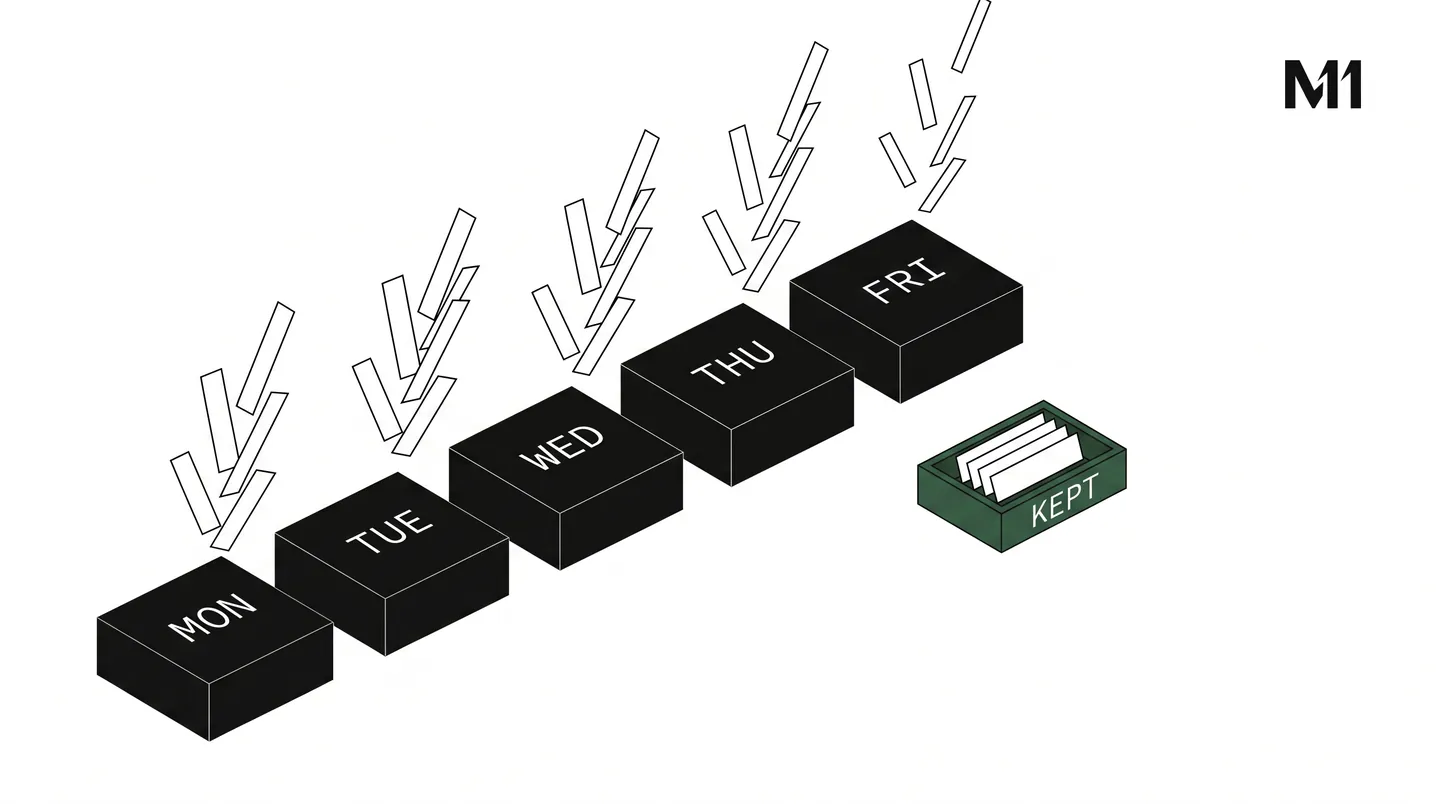
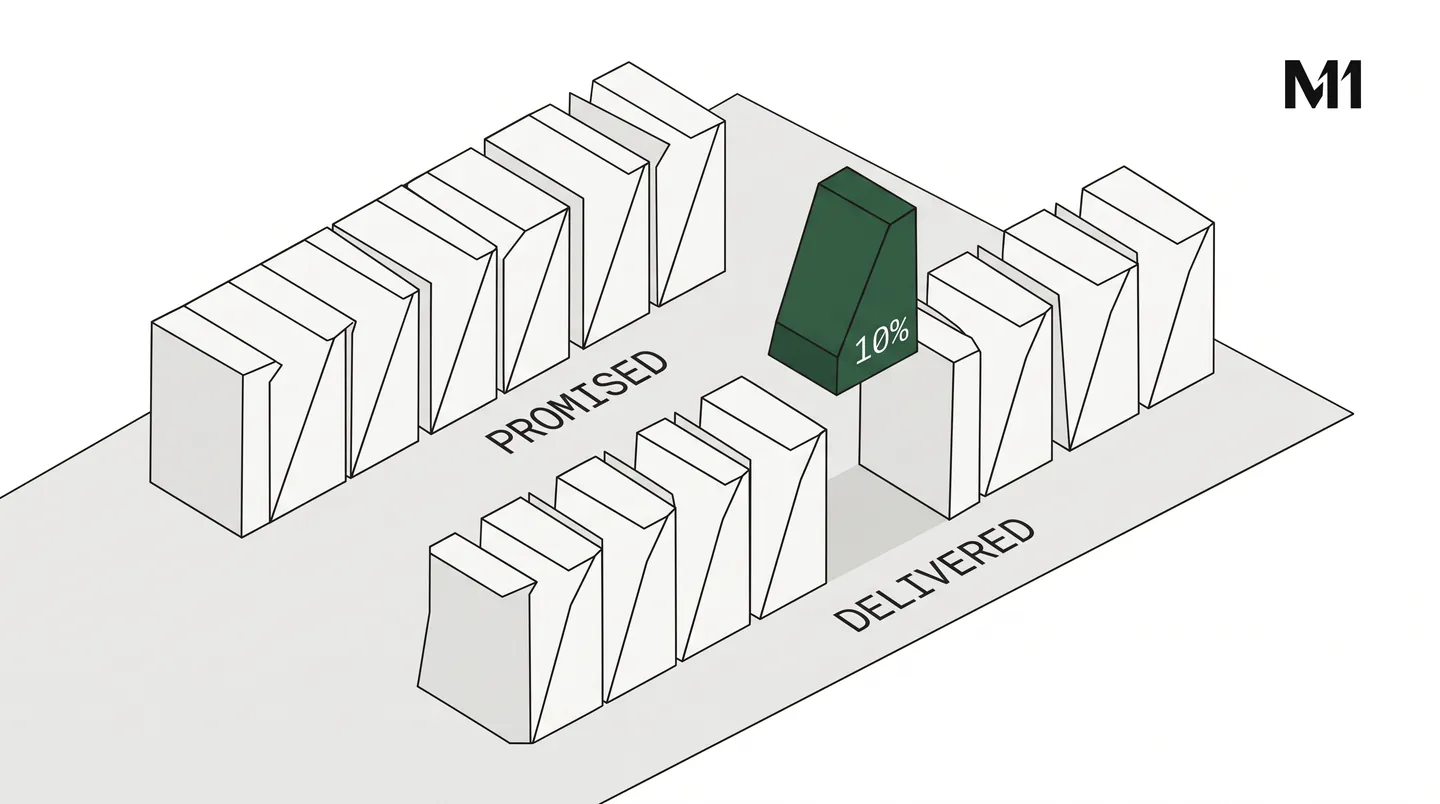
There is a management reflex I have seen in many companies. The assistant looks busy, so she must be productive. So more gets added. It feels like getting the most out of a person. In practice it is queueing: new work is placed on top of a pile that was already full.
The result is predictable. She can no longer prioritise. She does what the boss gave her first, then what a department head wants, then whatever is left.
Door-to-door communication
A department head wants to know when a product arrives. Purchasing is not responsible for answering that kind of question, so it goes to the assistant. She notes it, asks around, comes back later with an answer.
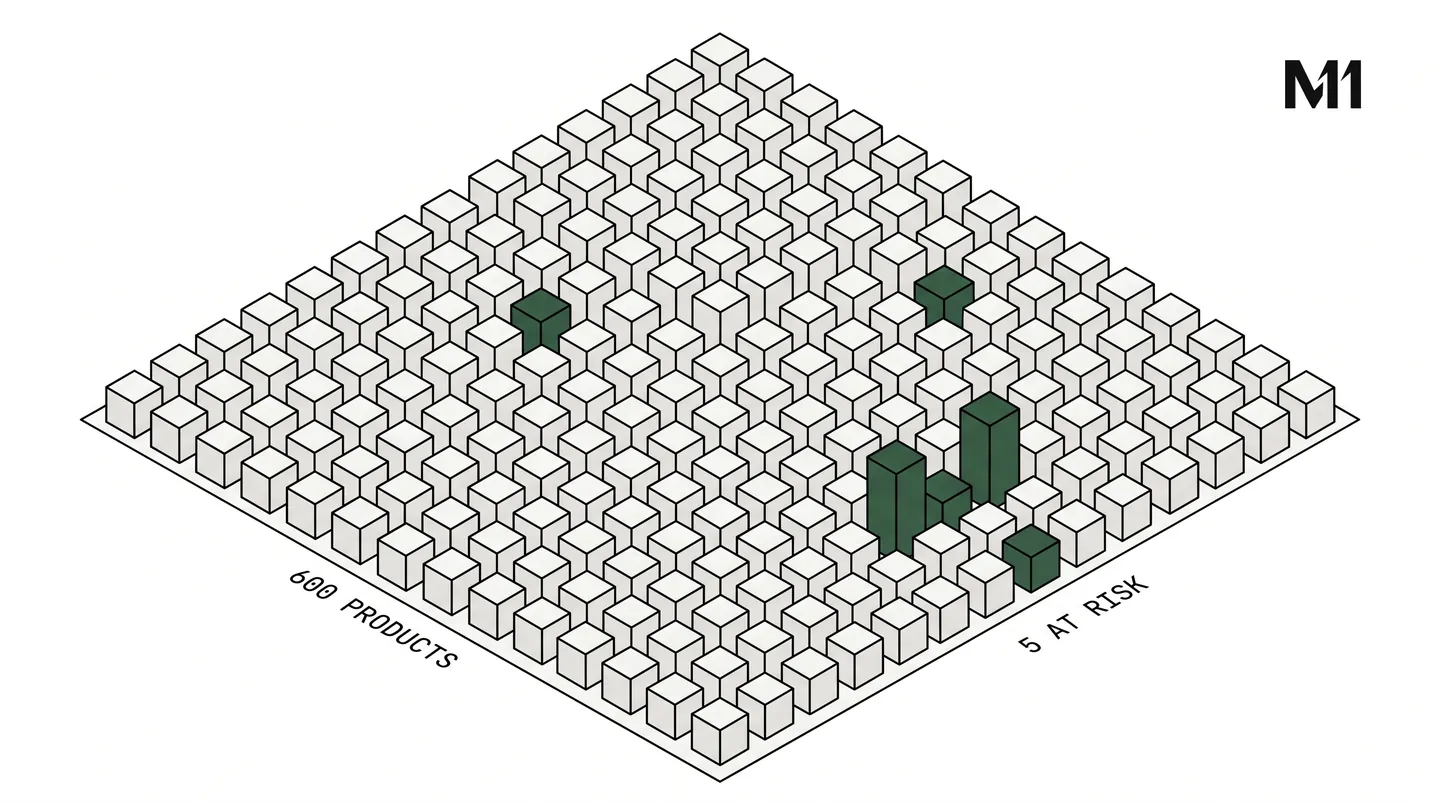
Multiply that by every department and every day and you get a thousand small open loops, carried from door to door. None of them is hard. Together they fill the day and push the important work to the evening.
Priorities by hierarchy, and by sympathy
When nobody has written down what comes first, people fall back on the only signals they have. The boss first. Then department heads. And below that, quite often, the colleagues she gets on with best.
I want to be clear that this is not her fault. It is what any person does without rules. The most common mistakes in a back office are exactly deadlines and priorities, and both are system problems, not character problems.
It depends on the industry
An assistant is not one job. In a real estate company, the core of the work is documentation: every contract, every plan, every exchange filed so that it can be found again in two years. In a notary office, it is preparation: the right documents, from the right people, ready for the right appointment. In a general SME, it is routing: a single inbox feeding marketing, sales, management and production.
The rules look different in each. The logic behind them is the same.
Five questions for every request
Which department is this for? How urgent is it? What is the deadline? Who owns it? Who needs to hear back, and by when?
If every incoming request answers those five, the pile turns into lanes. In a larger back office those lanes can be named: back office for management, for sales, for marketing, each with its own entry criteria, what belongs there, what does not, and what always has priority.
The rules do not have to be clever. They have to exist, be written down, and be the same for everyone.
The same logic at a notary
Take a notary office. Every appointment needs the right documents, from the right people, before the day. The calendar already knows who is coming. A short checklist per type of appointment knows which documents are required.
Connect the two and forty-eight hours before each appointment the office knows what is still missing. The client gets a reminder while there is still time to bring it. Nobody discovers the gap with the client sitting in the room.
Mistakes as input
When something still goes wrong, it is not only a problem. It is the next rule. A supplier request that was missed becomes a line in the SOP: requests of this kind go here, with this priority, by this date, because last time it was missed.
That is how the process learns. Not by someone rewriting the handbook, but by every mistake leaving a small rule behind.
When she is not there
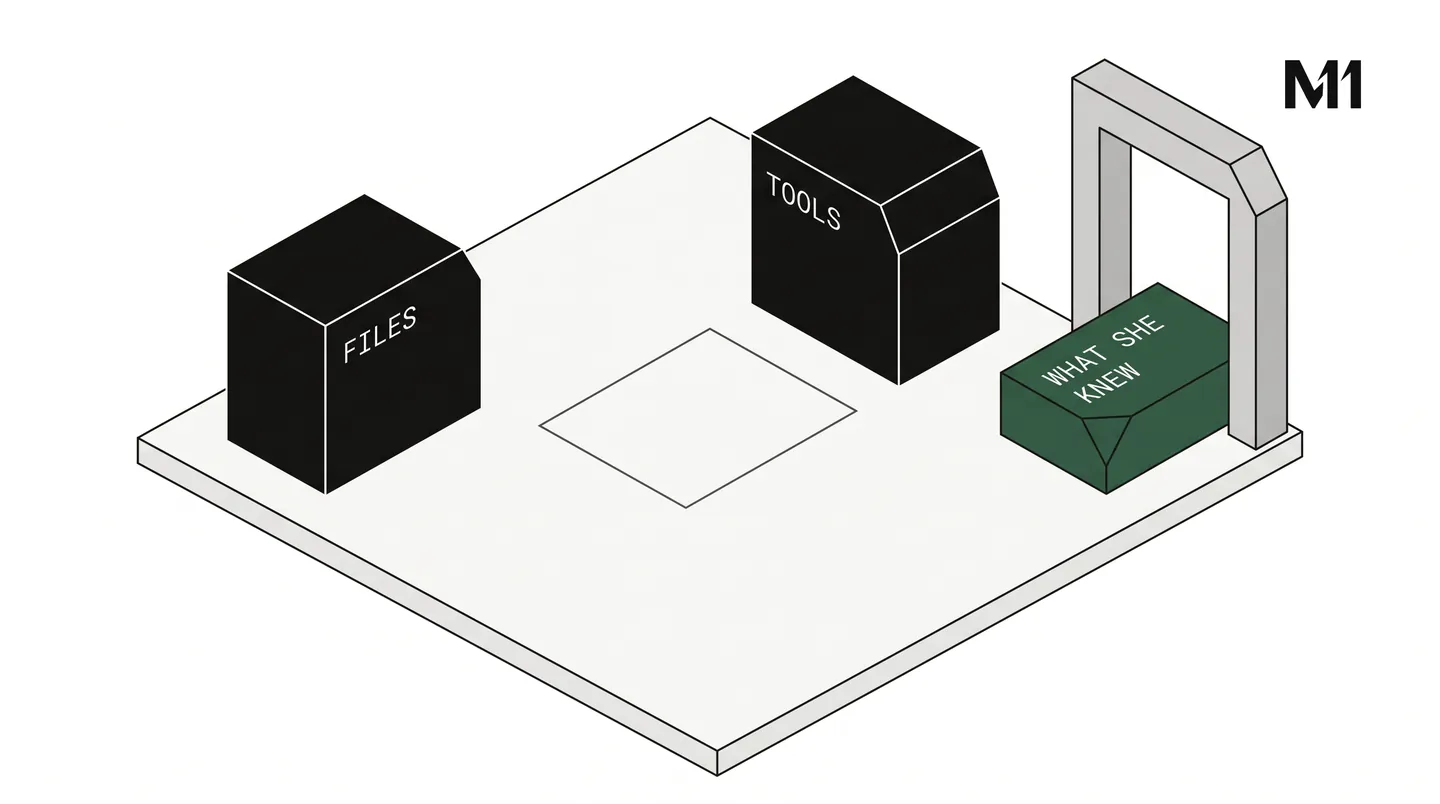
After a month of doing this, the rules describe the real work of the back office. And that changes what happens when the assistant is ill, on holiday or replaced.
The person covering does not have to guess what matters. The lanes, priorities and deadlines are already in the company. How much faster a new person is productive is something a real pilot should measure, but the difference between starting from rules and starting from nothing is obvious to anyone who has done a handover.