Too many fields
Many companies already have a procurement system and assume it takes care of this. It has forecasts, reorder points, stock levels, open orders, lead times. That is exactly the problem. There are too many statistics, too many fields, too many forecasts.
With 600 products, nobody can honestly say: I looked at all of it in thirty minutes and everything is safe. So people look at what shouts loudest, and the quiet risks slip through.
The order is placed, so the problem is solved
A buyer places an order that arrives in six weeks. From their point of view, the job is done. The delivery is coming. They will look at it again when it arrives.
But the product is selling faster than last year. It started rising in June, and in August it takes off. The ads on Meta and Google are still pushing it hard. It goes out of stock four weeks before the delivery lands.
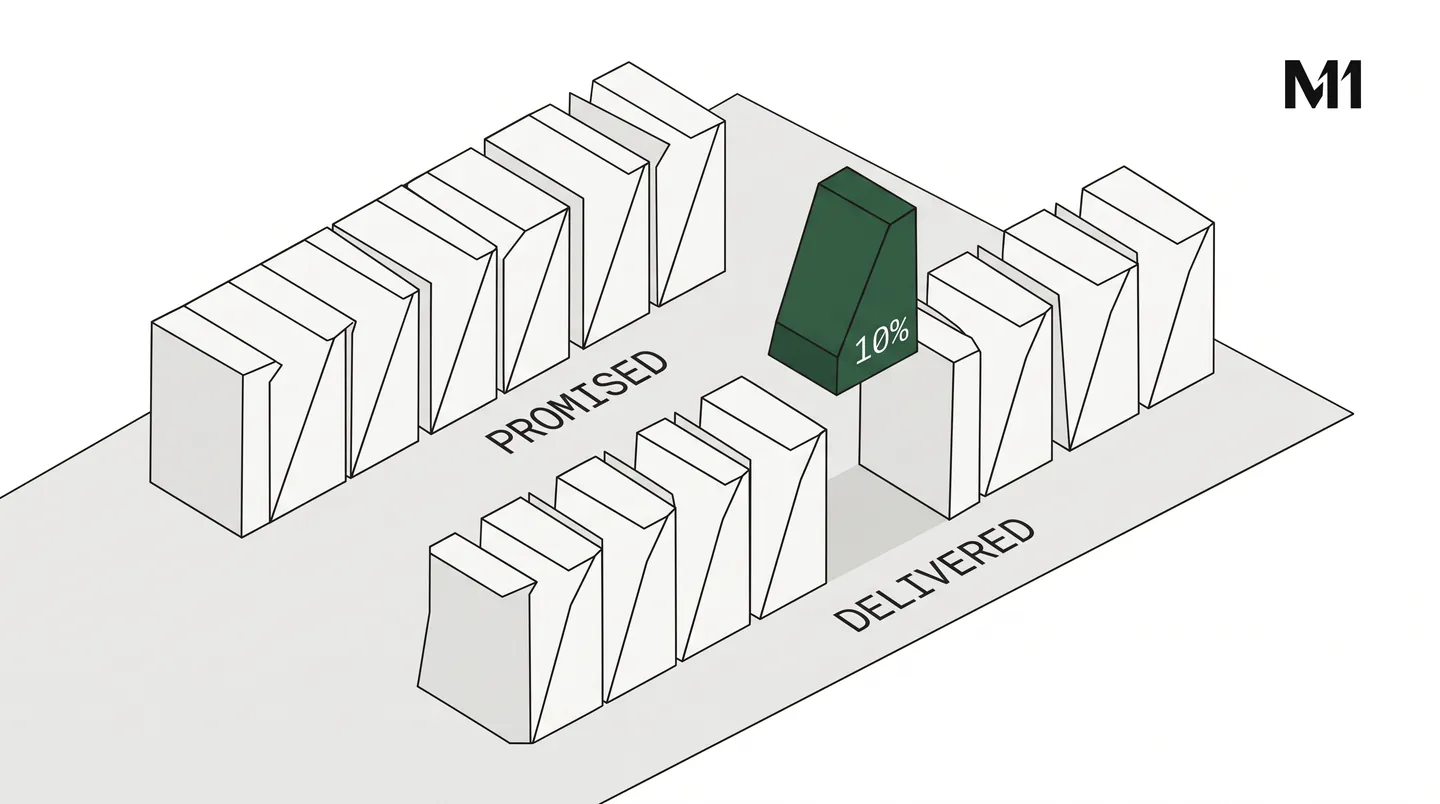
Now three things happen at once. The shop keeps selling what it does not have. The incoming quantity is already too small, because it was calculated for normal demand. And the campaign keeps spending money on a product nobody can buy.
The rules nobody wrote down
An experienced buyer knows what to do in that moment, at least partly. Order again now, even if it is expensive. Or take the product offline for a while. Or ask marketing to slow down. Usually some combination.
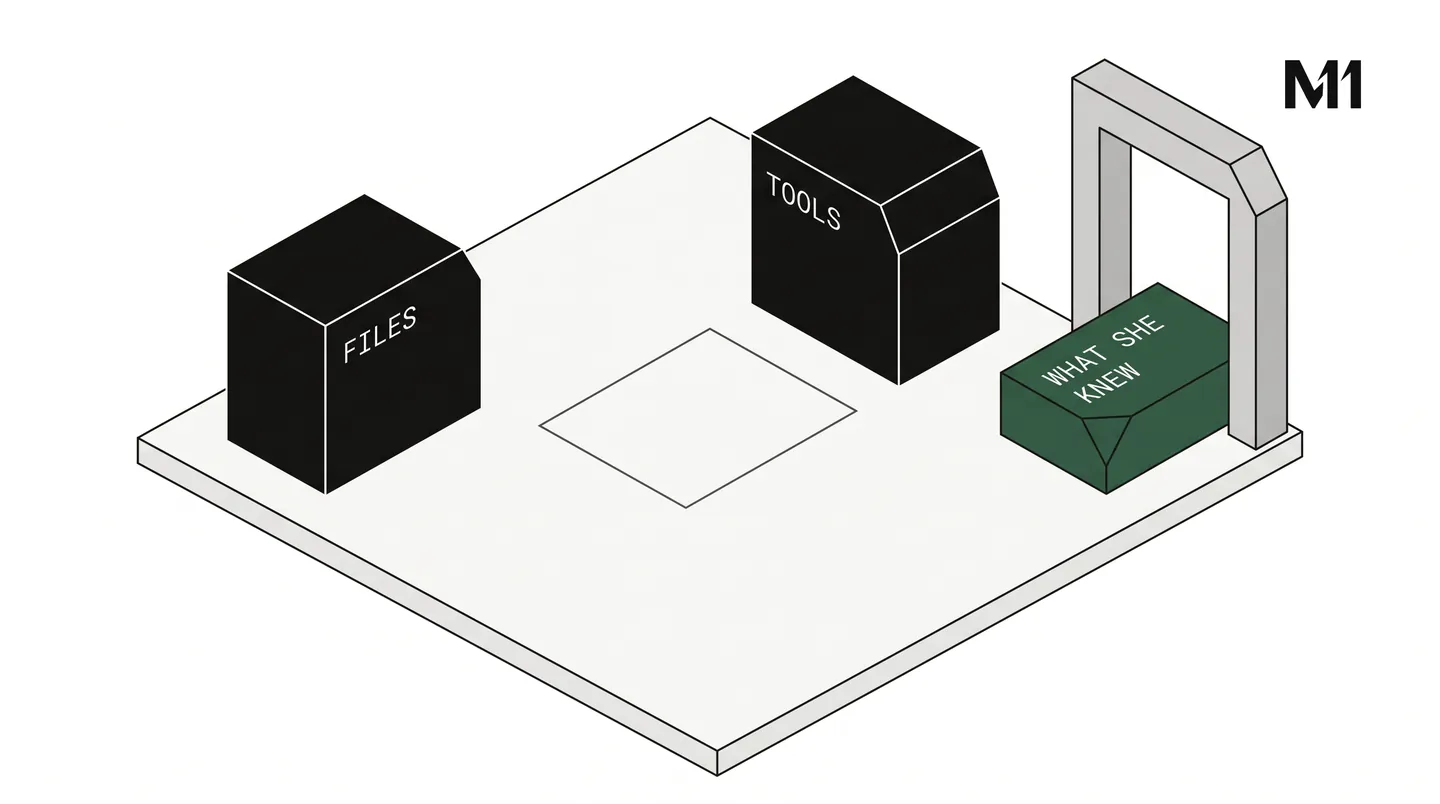
Those are real operating rules. They just live in one person's head and get applied when that person happens to notice. The default without them is simple and expensive: the product is out of stock and the ads keep running.
The season you are actually in
Seasonality makes it harder. Last year's numbers tell you when the peak came and how big it was. The last 30 days tell you whether this year is running ahead. The next 90 days of last year tell you what is coming.
Put those together with the supplier's lead time and the picture is clear. If Christmas demand runs into January and production takes ninety days, the real decision was due in autumn. Many trading businesses respond by buying too much, just to be safe. That protects the shelf and puts pressure on cash. Neither extreme is a plan.
First agent: signals instead of a report
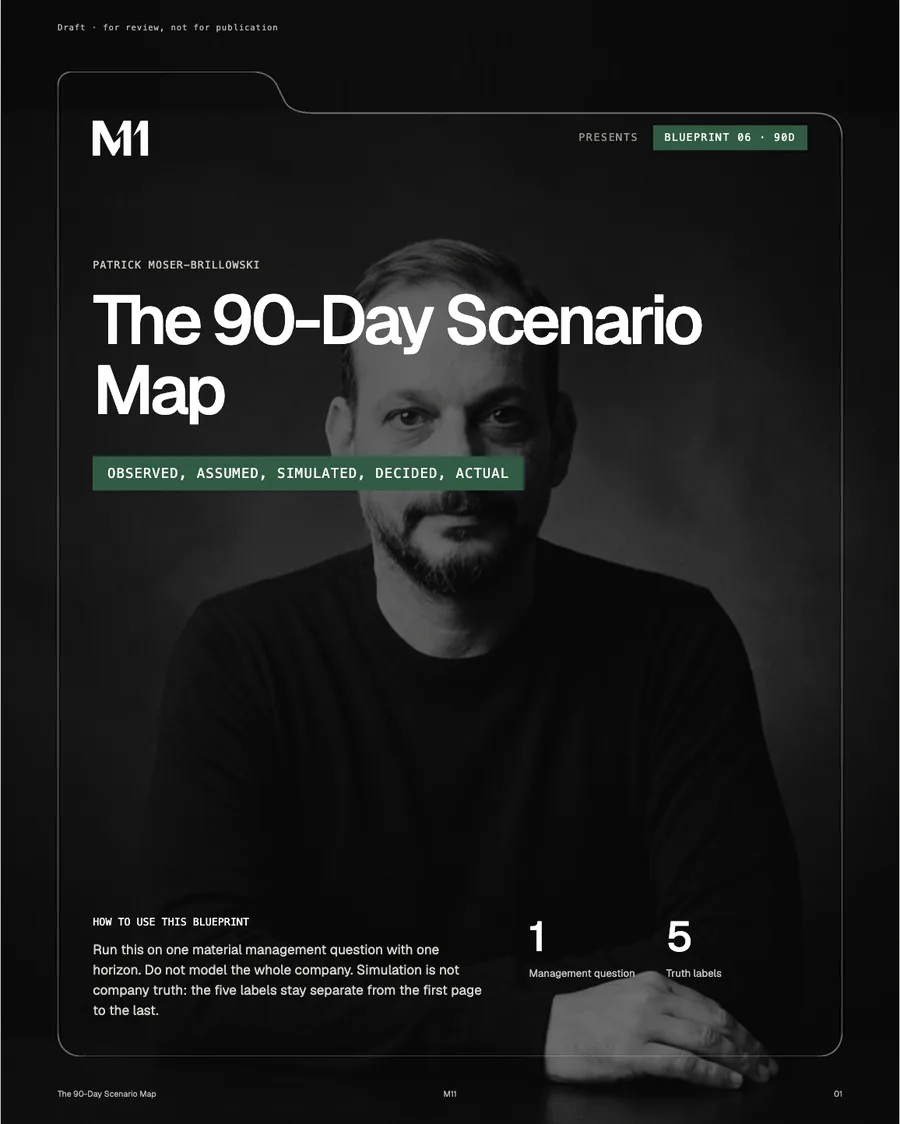
In the setups I build, one agent reads the whole assortment every morning. For a range of roughly 400 to 500 products that is a run of around half a million tokens, and it finishes in about four minutes while the monitoring keeps running in the background. It does not produce a report someone has to read. It produces signals.
It compares the last 28 days of sales with the last 90 and looks for products with unusual momentum. It checks stock against open purchase orders and delivery times. It looks for gaps between what is selling, what is ordered and what is in the warehouse. The output is short: this product is accelerating, this one will be oversold before delivery, this supplier has three items at risk.
Second agent: a draft order with a reason on every line
A second agent takes those signals and does one job. It groups products by family, by category or by supplier. If one supplier has several items running low, it bundles them, so the order reaches the minimum quantity and the freight can travel together, by sea or by air.
At nine in the morning there is a draft purchase order. Every line says why it is there: rising momentum, overselling expected before the next delivery, bundled with this supplier. The buyer still decides. But now they are checking reasons instead of hunting for problems.
When the answer is no
Sometimes the buyer cannot order now. Cash, minimum quantities, a supplier that simply cannot deliver faster. Then it goes into the meeting as a clear statement: this product will be out of stock, the next delivery is in six weeks, we are not reordering now, for these reasons.
That is a decision for marketing too. Not switching the campaign off entirely, but moving from aggressive to normal pressure, so the product does not sell out even earlier and force a hard stop.
Ask the process, not the tables
The managing director does not need to know the field names. They load the purchasing process chain and ask which five products are in danger right now.
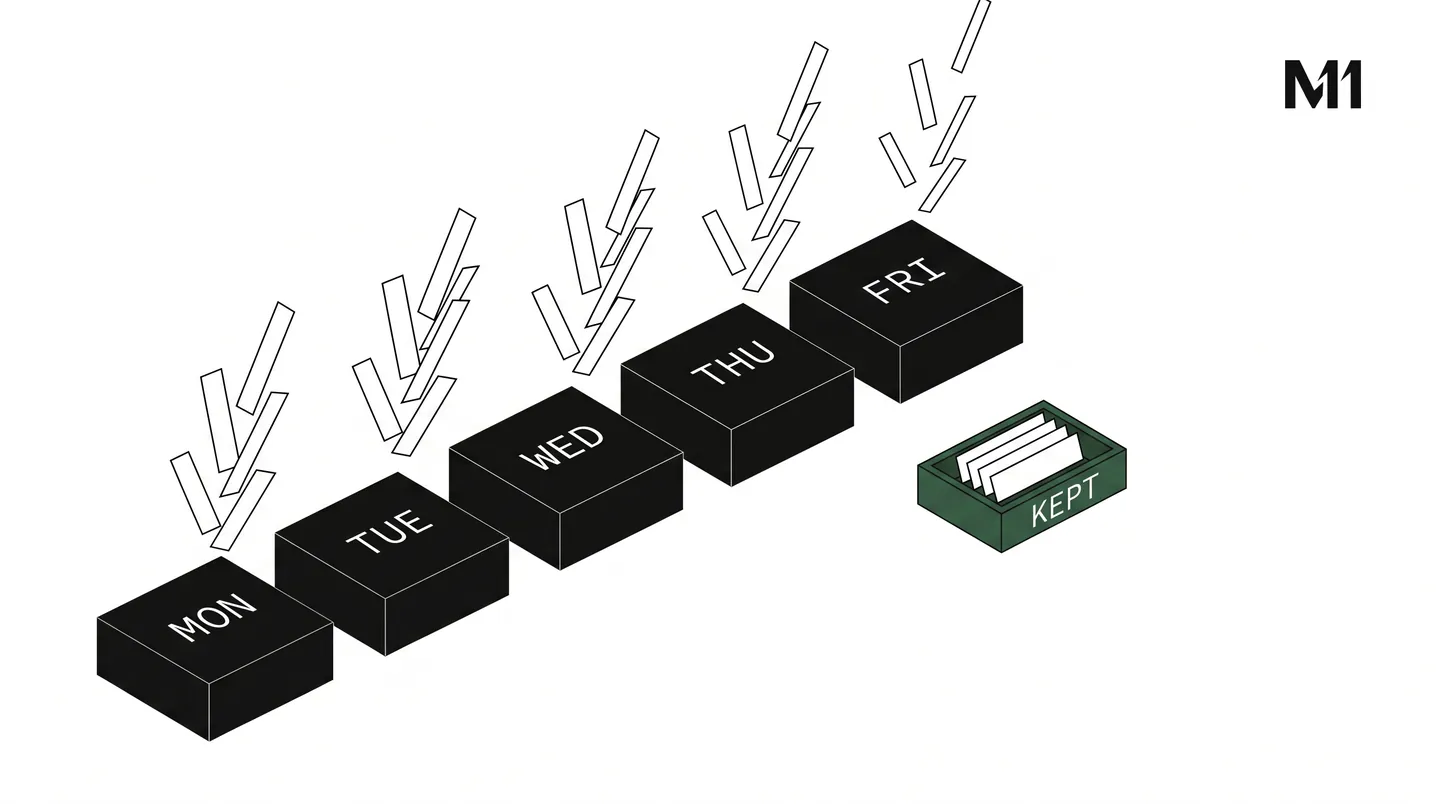
The chain already carries the context: the process, the strategy, the SOP of the buyer, and the skill that knows which fields exist in the shop and the procurement system and what they mean. The data can come in through a connected system or a controlled import. The answer comes back as moves, not as a spreadsheet.
Closing the loop
A follow-up question goes back in time. Did we discuss reordering this in a meeting? Was there a deadline?
If nothing was ever discussed, that is a gap in the process, and it becomes an open point for the SOP. If it was discussed and still went wrong, the cause can be found: the rule was wrong, the goal was wrong, the buyer was on holiday, the supplier was late. Whatever it was goes back into the SOP, the skill or the strategy. The next time, the same mistake has a rule waiting for it.
And when the buyer is away, the process does not stop. Whoever covers loads the purchasing chain and carries on.